
SAINT BENEDICT:
HAGIOGRAPHY, ICONOGRAPHY, AND BLACK DEVOTIONAL SCULPTURES IN BRAZIL BETWEEN THE 18TH AND 19TH CENTURIES
Keywords:
Polychromed Wood Sculpture, Franciscan Black Religion Devotion, Anthony of Noto or Categeró, Iconography.Abstract
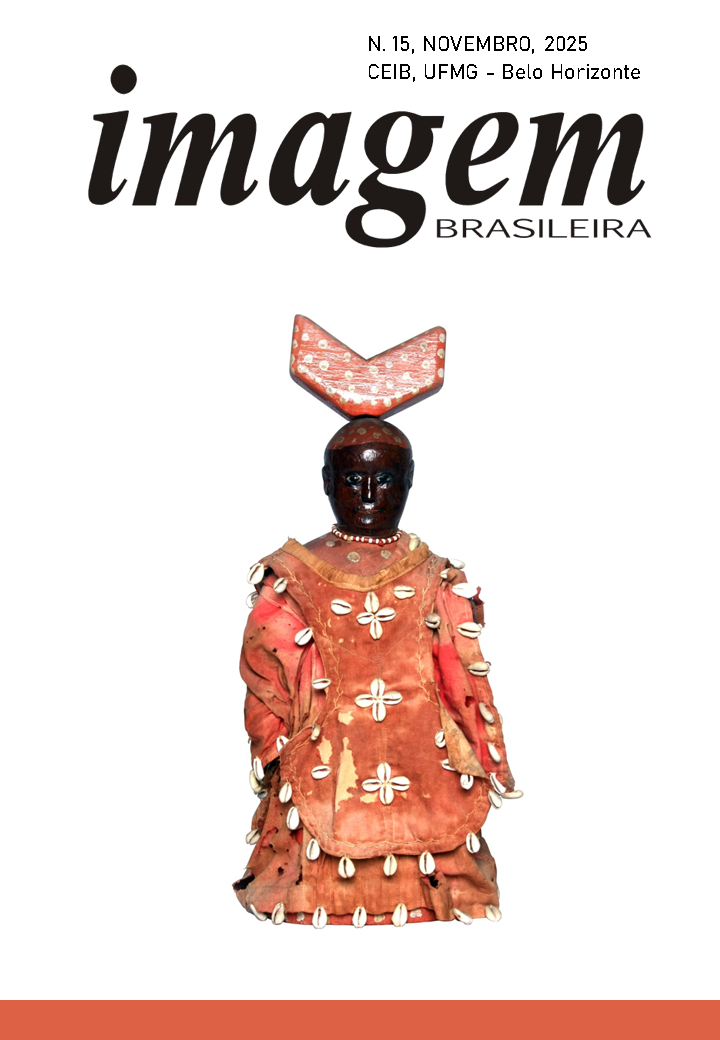
The article presents polychrome wooden sculptures depicting Saint Benedict of Palermo, also known as the Moor, the Black, or the African—a Black Franciscan saint widely venerated by enslaved populations in Brazil between the 17th and 19th centuries. The Christianization promoted by the Capuchin Friars Minor, in collaboration with the Brotherhoods of Our Lady of the Rosary of Black Men, led to the production of devotional images intended for both religious temples and domestic spaces. The adopted methodology is based on a review of theoretical and practical studies, with emphasis on hagiographic, iconographic analysis, as well as the technical and material aspects of sculptures representative of the theme. The study examines the influence of sociocultural and historical-religious factors, as well as the models and processes of iconographic reappropriation observed over time. The preservation of these devotional sculptures, which form part of Brazil’s cultural heritage, demands ongoing critical reflection and symbolic interpretation, given their significant relevance in both material and immaterial dimensions, and their enduring presence in the collective imagination.
Downloads
Published
Issue
Section
License

This work is licensed under a Creative Commons Attribution-NonCommercial-NoDerivatives 4.0 International License.